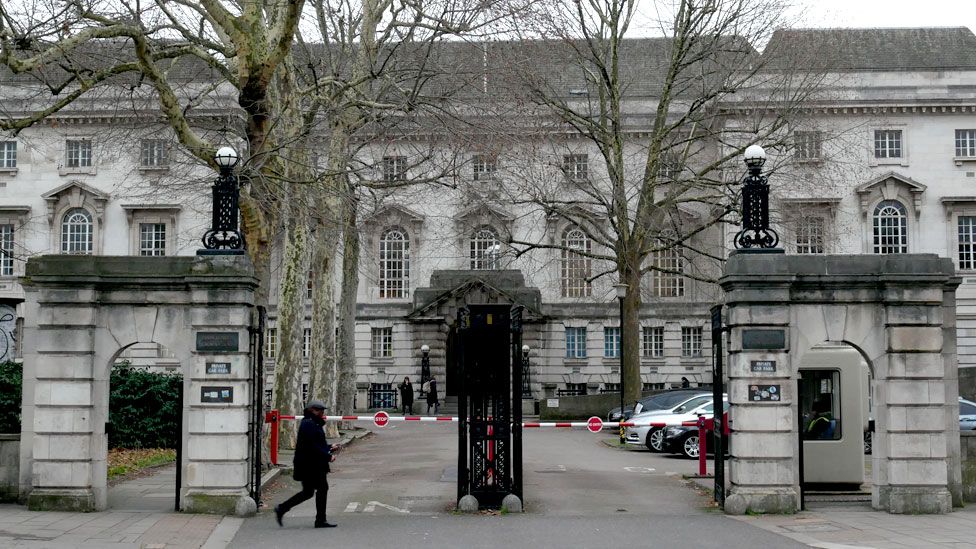
Your Difference between magistrates and crown court images are ready. Difference between magistrates and crown court are a topic that is being searched for and liked by netizens now. You can Download the Difference between magistrates and crown court files here. Find and Download all free photos and vectors.
If you’re searching for difference between magistrates and crown court images information linked to the difference between magistrates and crown court interest, you have pay a visit to the right blog. Our site frequently provides you with hints for seeking the maximum quality video and image content, please kindly surf and find more informative video content and graphics that match your interests.
Difference Between Magistrates And Crown Court. For example in the Crown Court the offence of theft an either-way offence contrary to section 11 of the Theft Act 1968 has a maximum sentence of 7 years imprisonment andor a fine. Almost all criminal cases start in the Magistrates Court. What is the main difference between magistrates and crown courts. In the Magistrates Court however the maximum sentence that can be imposed for a single either-way offence is 6 months imprisonment andor a fine.
 What Is A Serious Drink Driving Offence Jail Driving Seriously From pinterest.com
Another court hearing is needed the court. Summary offences dealt with here include drink driving petty theft disorderly conduct and vandalism. The magistrates court hears the facts of the case and decides where the case should be allocated for trial or for sentencing. Appeals made against a magistrates court sentence or conviction. Magistrates Court hears cases of petty nature whereas Crown Court is a superior court that has both original as well as appellate jurisdiction. A Crown Court deals with the most serious criminal cases including.
However where they feel the crime is out of their power they will hold the relevant pre-trial hearings and send you to Crown Court.
All cases technically start in Magistrates Courts but are bumped up to Crown Courts depending on their severity more minor offences tend to start and end in the Magistrates Court. Sentencing of defendants committed from magistrates courts jury trials and the sentencing of those who are convicted in the Crown Court either after trial or on pleading guilty. In addition to this they both also are allowed to be in the higher courts such as the Crown Court. Magistrates Court stands at the lowest rung of the legal system in England and Wales. There are some differences in these Sentencing powers a Magistrates Court has limited sentencing powers of six months imprisonment for one either-way offence or 12 months imprisonment for multiple either-way offences. What Is The Difference Between Crown Court And Magistrate Court Topics.
 Source: pinterest.com
Another court hearing is needed the court. The magistrates court hears the facts of the case and decides where the case should be allocated for trial or for sentencing. What Is The Difference Between Crown Court And Magistrate Court Topics. In the Magistrates Court however the maximum sentence that can be imposed for a single either-way offence is 6 months imprisonment andor a fine. The difference between the use of lay people in magistrates and crown courts are that in the magistrates court the lay people do the sentencing but in the crown court this is left up to the judge.
 Source: pinterest.com
What is the likelihood of a conviction at a magistrates court. The Crown Court carries out four principal types of activity. This may happen if. The majority of cases are held in magistrates courts but they only hear the less serious crimes summary cases and some either-way cases. Your case will not be dealt with by a jury.
Source: pinterest.com
Magistrates courts The magistrates courts hear mainly summary criminal cases. You can use the online court finder to search for your local Crown Court. A person charged with an either-way offence first appears in a Magistrates court for an indication of plea. A Crown Court has a Judge and in here Solicitors can not represent their client. All cases technically start in Magistrates Courts but are bumped up to Crown Courts depending on their severity more minor offences tend to start and end in the Magistrates Court.
 Source: za.pinterest.com
The Crown Court carries out four principal types of activity. All criminal cases will begin in the magistrates court and only a small percentage of the most serious ones will be referred to the higher Crown Court. Your case will not be dealt with by a jury. Magistrates courts The magistrates courts hear mainly summary criminal cases. The court also deals with what are called either way crimes which are just on the cusp of seriousness and can be either.
 Source: pinterest.com
Your case will not be dealt with by a jury. Graham Wallis Solicitor Advocate describes differences between Crown Court and Magistrates Court trial. Magistrates Court can levy fines of up to pounds 5000 and pronounce sentences of up to 6 months in prison only. What is the main difference between magistrates and crown courts. In the Magistrates Court a set of three magistrates sits on the bench to hear the case and promulgate a verdict while the Crown Court is heard in the presence of a judge and a twelve-man jury no jury hearing is allowed in a Magistrates Court.
 Source: pinterest.com
Those which can only be heard by the Crown Court Either way offences which can be heard in a magistrates court but can also be sent to the Crown Court if the defendant chooses a jury trial. Cases sent for trial by magistrates courts because the offences are indictable only ie. Part B The Lay Magistrates also known as justices. The more serious offences are passed on to the Crown Court either for sentencing after the defendant has been found guilty in a magistrates court or for full trial with a judge and jury. What are the main differences between magistrates courts and Crown courts.
 Source: pinterest.com
A person charged with an either-way offence first appears in a Magistrates court for an indication of plea. Crown Court is a superior court than Magistrates Court. They are bound by the High Court the Court of Appeal and the Supreme Court. Graham Wallis Solicitor Advocate describes differences between Crown Court and Magistrates Court trial. This means that magistrates need an element of legal training before undertaking their role but this isnt true of juries.
 Source: br.pinterest.com
In the Magistrates Court however the maximum sentence that can be imposed for a single either-way offence is 6 months imprisonment andor a fine. In some cases the magistrates court will decide if you should be kept in custody until your next court hearing or released on bail. The difference between the two courts is outlined below. They are bound by the High Court the Court of Appeal and the Supreme Court. The more serious offences are passed on to the Crown Court either for sentencing after the defendant has been found guilty in a magistrates court or for full trial with a judge and jury.
 Source: pinterest.com
For the purpose of the reporti visited Crown court and magistrate courtThe court visit was for student to understand more of English court systemThe report will create a reflective discussion on future legal studies. All cases technically start in Magistrates Courts but are bumped up to Crown Courts depending on their severity more minor offences tend to start and end in the Magistrates Court. In the Magistrates Court a set of three magistrates sits on the bench to hear the case and promulgate a verdict while the Crown Court is heard in the presence of a judge and a twelve-man jury no jury hearing is allowed in a Magistrates Court. What are the main differences between magistrates courts and Crown courts. Almost all criminal cases start in the Magistrates Court.
 Source: pinterest.com
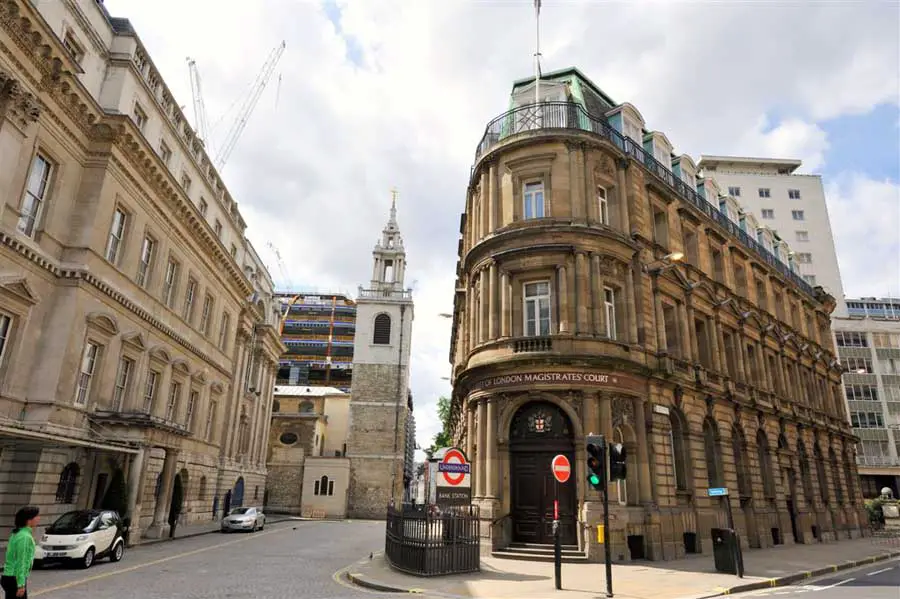
The difference between the use of lay people in magistrates and crown courts are that in the magistrates court the lay people do the sentencing but in the crown court this is left up to the judge. Magistrates are ordinary people who volunteer and undergo training. At the Magistrates Court your trial will be heard either by a District Judge or Magistrates. Crown Court hears the most serious cases these can be very complicated and traumatic. This may happen if.
 Source: pinterest.com
This may happen if. The difference between the Magistrates Court and the Crown Court does not remain confined to a higher and lower court system as there are many other differences that will be outlined in this article. Magistrates Court hears cases of petty nature whereas Crown Court is a superior court that has both original as well as appellate jurisdiction. For the purpose of the reporti visited Crown court and magistrate courtThe court visit was for student to understand more of English court systemThe report will create a reflective discussion on future legal studies. A Crown Court has a Judge and in here Solicitors can not represent their client.
 Source: pinterest.com
Trials in a Magistrates Court are called summary trials whereas in a Crown Court they are known as trials on indictment. Their own decisions are not reported and cannot. The difference between the use of lay people in magistrates and crown courts are that in the magistrates court the lay people do the sentencing but in the crown court this is left up to the judge. This means that magistrates need an element of legal training before undertaking their role but this isnt true of juries. All cases technically start in Magistrates Courts but are bumped up to Crown Courts depending on their severity more minor offences tend to start and end in the Magistrates Court.
 Source: pinterest.com
There are some differences in these Sentencing powers a Magistrates Court has limited sentencing powers of six months imprisonment for one either-way offence or 12 months imprisonment for multiple either-way offences. Since the Crown Court cannot form binding precedents it is obviously not bound by its own decisions. The Crown Court carries out four principal types of activity. Summary offences dealt with here include drink driving petty theft disorderly conduct and vandalism. Sentencing of defendants committed from magistrates courts jury trials and the sentencing of those who are convicted in the Crown Court either after trial or on pleading guilty.
 Source: pinterest.com
Appeals from decisions of magistrates. What Is The Difference Between Crown Court And Magistrate Court Topics. For example in the Crown Court the offence of theft an either-way offence contrary to section 11 of the Theft Act 1968 has a maximum sentence of 7 years imprisonment andor a fine. Those which can only be heard by the Crown Court Either way offences which can be heard in a magistrates court but can also be sent to the Crown Court if the defendant chooses a jury trial. Moreover it must be noted that there are either-way offenses which are dealt with as the name suggests in other words either in a Magistrates Court or a Crown Court such as handling stolen goods and theft.
 Source: pinterest.com
This may happen if. Summary offences dealt with here include drink driving petty theft disorderly conduct and vandalism. A Crown Court deals with the most serious criminal cases including. Appeals from decisions of magistrates. At the Magistrates Court your trial will be heard either by a District Judge or Magistrates.
 Source: pinterest.com
This means that magistrates need an element of legal training before undertaking their role but this isnt true of juries. Appeals made against a magistrates court sentence or conviction. Graham Wallis Solicitor Advocate describes differences between Crown Court and Magistrates Court trial. Magistrates Court hears cases of petty nature whereas Crown Court is a superior court that has both original as well as appellate jurisdiction. Sentencing of defendants committed from magistrates courts jury trials and the sentencing of those who are convicted in the Crown Court either after trial or on pleading guilty.
 Source: pinterest.com
Within a Magistrates court there are usually 3 Magistrates in the Judges area who will usually sentence you whether that be a custodial sentence or a complete discharge. When a circuit or district judge is sitting no precedents are formed. Part B The Lay Magistrates also known as justices. They are bound by the High Court the Court of Appeal and the Supreme Court. All criminal cases will begin in the magistrates court and only a small percentage of the most serious ones will be referred to the higher Crown Court.
 Source: pinterest.com
There is a bench that presides over cases. Magistrates Court hears cases of petty nature whereas Crown Court is a superior court that has both original as well as appellate jurisdiction. Almost all criminal cases start in the Magistrates Court. Both barristers and solicitors are different types of lawyers they can both appear in the lower courts such as the magistrates court and country court. Crown Courts also deal with.
This site is an open community for users to do submittion their favorite wallpapers on the internet, all images or pictures in this website are for personal wallpaper use only, it is stricly prohibited to use this wallpaper for commercial purposes, if you are the author and find this image is shared without your permission, please kindly raise a DMCA report to Us.
If you find this site helpful, please support us by sharing this posts to your preference social media accounts like Facebook, Instagram and so on or you can also save this blog page with the title difference between magistrates and crown court by using Ctrl + D for devices a laptop with a Windows operating system or Command + D for laptops with an Apple operating system. If you use a smartphone, you can also use the drawer menu of the browser you are using. Whether it’s a Windows, Mac, iOS or Android operating system, you will still be able to bookmark this website.